










At SPECTRAFORCE,
Business Means More
We measure success by our impact on people, planet, and community. That's what drives us.
DEI
Championing
Belonging
At SPECTRAFORCE, we weave diversity, equity, and inclusion into our organization and services with the help of our DEI Committee.
Through education, community, and engagement—our core pillars—we revolutionize how we foster a sense of belonging.
D E I
Diversity
SPECTRAFORCE is a certified Minority Business Enterprise (MBE), recognised by the National Minority Supplier Development Council (NMSDC). Built and led by people who understand what it means to be underrepresented, our diversity is structural, not symbolic. We support clients with Tier 1 and Tier 2 diverse spend documentation, supplier inclusion reporting, and ESG workforce goal alignment.
DEI
Championing
inclusivity
At SPECTRAFORCE, we weave diversity, equity, and inclusion into our organization and services with the help of our DEI Committee.
Through education, community, and engagement—our core pillars—we revolutionize how we foster a sense of belonging.


DEI
Championing
inclusivity
At SPECTRAFORCE, we weave diversity, equity, and inclusion into our organization and services with the help of our DEI Committee.
Through education, community, and engagement—our core pillars—we revolutionize how we foster a sense of belonging.


DEI AT SPECTRAFORCE
We practice
what we preach
60% +
Women leaders
across teams
44% +
Diversity in US
corporate teams


Giving Back
Global community building
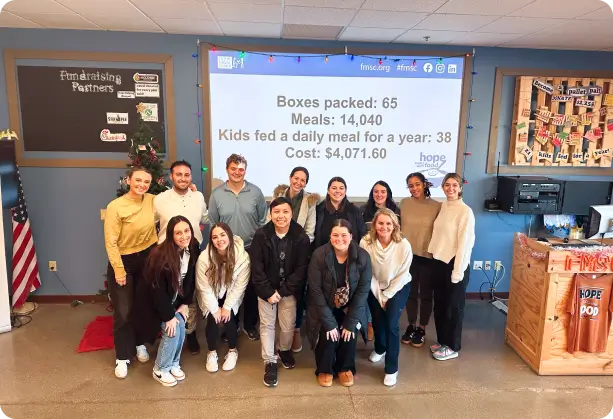
We build strong local partnerships in our communities, from North Carolina’s Food Bank to Minneapolis’ Feed My Starving Children, investing our time and resources where our teams live and work to create meaningful change.

Collaborating with PENTA in Western Kenya to strengthen communities through technology resources.

Working with Dress for Success Raleigh to provide mock interviews and services to help women gain financial independence.

Supporting Grace Centers of Hope (Michigan) in delivering comprehensive recovery services.

Uplifting the transgender community and helping LGBT individuals enter or reenter the workforce.

Addressing economic and social barriers affecting Black professionals in Canada to foster a more equitable workforce.

Frankie Lemmon School creates inclusive classrooms where all children learn, grow, and belong together.

Sustainability
Reducing our
footprint
Our “ECOPHORIA” initiative addresses environmental challenges affecting diverse communities through awareness, contributions, and measurable actions to protect vulnerable populations.
SPECTRAFORCE also partners with Greenplaces to evaluate and reduce our carbon footprint, combining this with local sustainability efforts to meet emission reduction targets while creating meaningful work opportunities.

2024 Carbon Footprint
Methodology & Global Reach
Our inventory covers 11 global locations across the United States, Canada, India, Costa Rica, and Puerto Rico — using an operational control approach for consistency.
Direct Emissions
Owned and controlled sources including company vehicles and on-site fuel combustion.
Purchased Electricity
Indirect emissions from electricity consumed across all office locations.
Value Chain
Supplier activity, business travel, and employee commuting — our largest impact area.
We combine primary data (utility usage, travel records) with secondary estimates (industry emission factors, spend-based calculations) for a comprehensive, auditable view.
Disclosure & Ratings
We publicly disclose emissions data and participate in leading frameworks:
Annual GHG
Inventory
Published each year in alignment with the GHG Protocol.
EcoVadis &
CDP Ratings
Sustainability performance rated externally. SBTi alignment in progress.
Emissions
Reduction Goals
Scope 1, 2, and 3 emissions tracked with an official reduction commitment in place. Strategy currently in development.
Sustainability
Our Path Forward
We are actively building on our foundation — moving from measurement toward meaningful reduction.

Establishing formal emissions reduction targets aligned with science-based pathways.

Evaluating renewable energy options and broader carbon reduction strategies.

Pursuing alignment with the Science Based Targets initiative (SBTI).

Identifying specific levers to reduce our Scope 3 value chain footprint.
