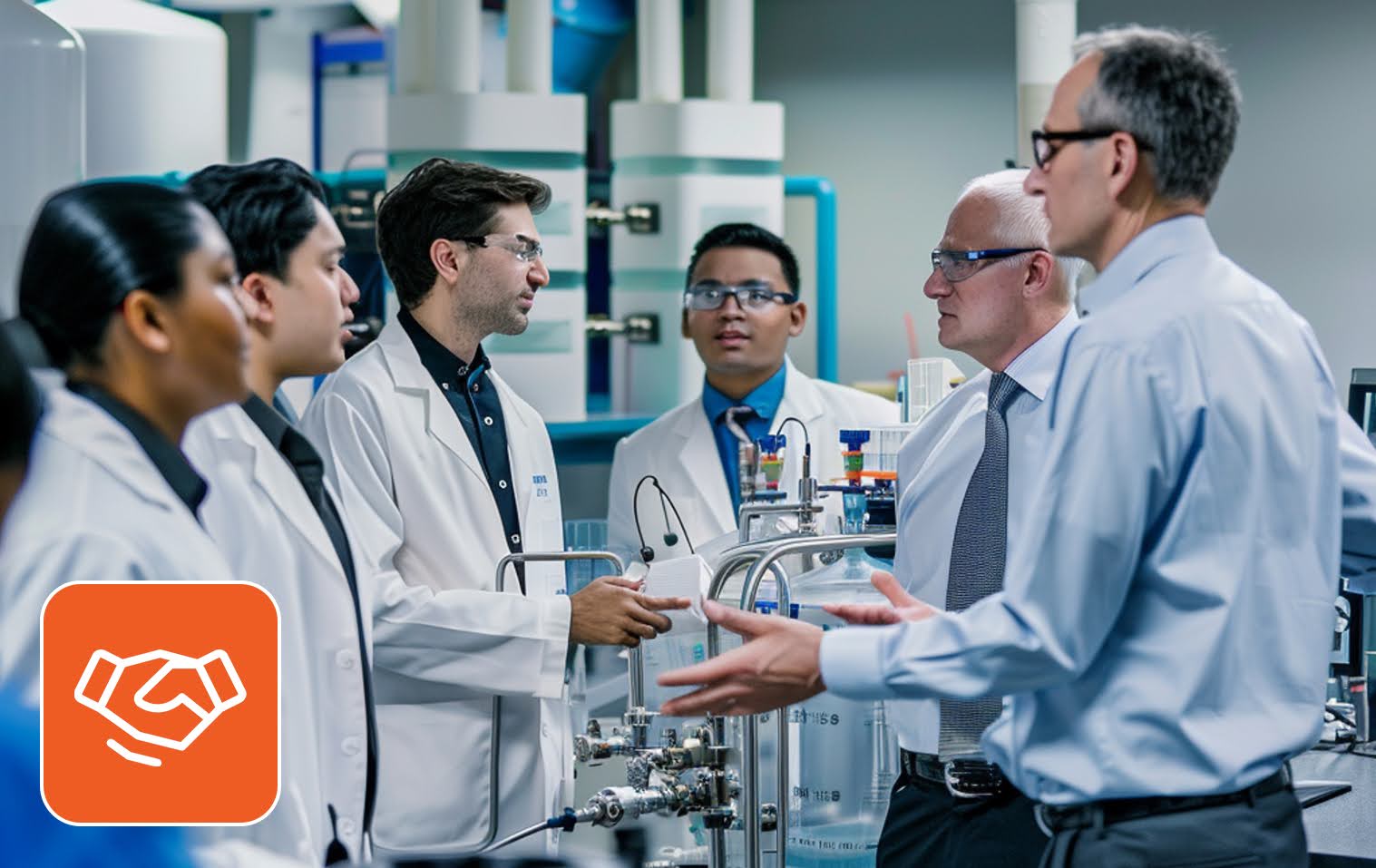
The workforce landscape in 2026 is poised for a major shift. Gone are the days when hiring was a simple, linear process focused solely on matching candidates to job descriptions based on academic credentials. The new normal will revolve around the rapid deployment of on-demand talent, the prioritization of skills over qualifications, and a high-velocity hiring cycle designed to meet the fast-paced demands of the modern enterprise. For talent acquisition and HR leaders, this evolution offers new opportunities and challenges. So, how do you prepare your organization for this monumental change?
Understanding the Shift: Why Skills First?
For decades, education and degrees have been the gold standard in hiring practices. Yet, as we approach 2026, a paradigm shift is unfolding. The traditional approach is being challenged by a growing recognition that skills are far more important than a university degree. The idea that specific skills, both technical and soft, are what truly drive job performance is gaining traction.
In this environment, hiring managers and HR leaders are focusing on competencies, experience, and tangible skill sets. For instance, in fields like data science, programming, and even sales, it’s not about where the candidate went to school; it’s about whether they can write efficient code or close deals under pressure. This is particularly crucial as more industries rely on technology and automation, which requires specialized knowledge. Skills-first hiring models, therefore, allow businesses to tap into a more diverse talent pool, creating greater opportunities for both the employer and the employee.
Consider the example of a global technology firm that needs to scale its team rapidly to meet growing demands. By embracing a skills-first model, they can hire professionals with the required expertise, regardless of their formal education background. This not only accelerates the hiring process but also opens opportunities for untapped talent pools, such as those from non-traditional backgrounds or emerging economies.
The Rise of On-Demand Talent
The traditional 9-to-5 work model is quickly becoming a thing of the past. More and more companies are embracing the idea of on-demand talent i.e. workers who can be brought in at a moment’s notice to meet specific, short-term business needs. This shift is largely driven by the gig economy, where workers take on contract-based, freelance, or part-time roles based on demand.
What’s driving this change? The key factor is flexibility. Companies can now leverage specialized skills on-demand without the burden of long-term employment commitments. At the same time, workers are embracing more control over their careers, choosing projects that align with their interests and skills.
Take the example of an e-commerce business that experiences a seasonal spike in demand. Instead of hiring full-time employees to handle the influx, they turn to a pool of on-demand talent. These workers are experts in areas such as customer service, warehouse management, and digital marketing, ready to step in and scale operations swiftly. For the business, this approach is cost-effective and also gives them the flexibility to scale up or down without being tied to long-term contracts.
High-Velocity Hiring: Speed Without Compromise
With the pace of business accelerating, the demand for high-velocity hiring is becoming more pronounced. To build workforce 2026, companies will need to fill positions faster than ever before, sometimes within a matter of days or weeks, not months. This shift in hiring speed is a direct response to the rapidly evolving business landscape, where the need for talent often outpaces the traditional hiring processes.
How do enterprises keep up? One solution is to adopt a tech-driven approach. AI-powered recruitment tools, automated screening processes, and predictive analytics can help companies quickly identify candidates who meet the required skills and cultural fit. By leveraging these tools, businesses can significantly shorten the time-to-hire, ensuring they don’t miss out on top talent.
Imagine a multinational corporation launching a new product. To meet aggressive deadlines, they need a skilled project manager immediately. Using AI-driven talent platforms, the company can source, interview, and hire the perfect candidate within a week, all without compromising quality.
The Role of AI and Automation in Shaping the Future Workforce
AI and automation are set to redefine workforce planning, especially in the realm of recruitment. AI’s ability to sift through vast amounts of data allows it to match candidates to jobs based on skills, experience, and potential rather than just keywords or academic background.
However, this doesn’t mean human involvement will disappear from the future of work. On the contrary, AI will act as an augmentation tool for HR leaders, enabling them to make data-driven decisions, automate repetitive tasks, and ultimately focus more on strategic initiatives such as improving employee engagement and retention.
AI’s impact on workforce planning also extends to learning and development. With rapid skill shifts, companies must continuously upskill their employees to keep pace with industry demands. According to World Economic Forum data, 59% of employees will need reskilling or other types of training by 2030 to stay relevant in the face of technological advancements and changing business requirements. AI can help organizations create personalized learning paths for their workforce, recommending courses, certifications, or skills development based on each individual’s current role and future aspirations.
Also read: Reskilling for Net Zero: How Employers Can Build the Great Workforce of Tomorrow
The Industries Benefiting from the Shift
While this shift in workforce dynamics will impact all sectors, some industries are particularly well-positioned to benefit from these changes. Technology, healthcare, finance, and logistics are a few industries where on-demand talent and high-velocity hiring are becoming essential.
In the technology sector, companies require specialized developers, data scientists, and cybersecurity experts who can step in quickly to solve emerging problems. Similarly, the healthcare sector has long relied on a contingent workforce of nurses, doctors, and healthcare specialists to meet fluctuating patient demands, especially in times of crisis.
Retailers, too, are adopting more flexible workforce models. For instance, large retailers like Amazon are hiring seasonal workers through on-demand talent platforms to handle peak seasons, such as Black Friday and the holiday shopping rush. These workers often remain in the talent pool for future assignments, enabling companies to maintain a flexible and responsive workforce.
Conclusion: Navigating the Workforce Revolution
As we build workforce 2026, the way organizations approach talent acquisition, workforce planning, and HR strategy will be fundamentally altered. The integration of on-demand workforce, skills-first hiring, and high-velocity recruitment cycles will be critical in ensuring that businesses remain agile, competitive, and able to meet the fast-changing demands of the market.
But it’s not just about technology. It’s about embracing new ways of thinking about talent. By focusing on what candidates can do, rather than where they’ve been or what degree they hold, companies can unlock a wealth of untapped potential. This is especially crucial in a world where every second counts and the need for skilled, flexible workers has never been greater.
HR leaders, talent acquisition professionals, and workforce strategy teams must be proactive in preparing for this shift. The future workforce is dynamic, flexible, and skilled, and those who fail to adapt will find themselves at a competitive disadvantage.
If your organization is ready to embrace the future of workforce planning, reach out to SPECTRAFORCE for expert staffing solutions. Our team specializes in agile, on-demand talent models and can help you quickly and efficiently scale your workforce, ensuring you stay ahead in 2026 and beyond.
FAQs
A skills-first hiring model focuses on hiring candidates based on their abilities and competencies rather than their formal educational qualifications. This model allows employers to tap into a broader, more diverse talent pool and find the right candidate for the job, regardless of their background.
High-velocity hiring refers to the process of filling positions rapidly, often within a matter of days or weeks. As businesses are under increasing pressure to adapt quickly to changing market conditions, high-velocity hiring ensures that organizations don’t lose out on top talent while also keeping their recruitment processes efficient.
On-demand workforce hiring allows companies to tap into a pool of talent that is available for short-term contracts or freelance assignments. This model is particularly useful for enterprises that need specialized skills on a temporary basis without committing to long-term employment contracts.
Industries such as technology, healthcare, finance, and retail are some of the key sectors benefiting from on-demand talent models. These industries require flexibility in their workforce to address fluctuating demand or specific skill needs that change rapidly.
AI is revolutionizing workforce planning and hiring by automating tasks such as candidate sourcing, resume screening, and interview scheduling. AI-driven tools enable HR teams to quickly identify top candidates and reduce time-to-hire, all while ensuring a better match between candidates and job requirements.